
 Admin
AdminFactory Jobs in Germany with Visa Sponsorship for Foreigners
Introduction
Germany remains one of the strongest economies in Europe and continues to attract skilled and unskilled workers from around the world. The country’s manufacturing sector plays a significant role in its economic success, contributing billions of euros annually through industries such as automotive production, machinery manufacturing, food processing, electronics, pharmaceuticals, and consumer goods. As Germany faces an aging population and workforce shortages in several sectors, many employers are increasingly looking beyond their borders to recruit qualified foreign workers. This growing demand has created opportunities for international job seekers interested in Factory Jobs in Germany with Visa Sponsorship for Foreigners.
Factory jobs in Germany with visa sponsorship for foreigners have become an attractive option for individuals seeking stable employment, competitive salaries, and a pathway to living and working in one of Europe’s most developed nations. Many factories require workers for production lines, packaging operations, warehouse activities, machine operations, and quality control tasks. While some positions require technical skills or previous experience, many entry-level roles provide on-the-job training, making them accessible to foreign applicants who meet the necessary immigration and employment requirements.
Beyond employment opportunities, Germany offers workers strong labor protections, comprehensive healthcare coverage, pension contributions, paid vacations, and opportunities for career advancement. For foreigners willing to adapt to a new culture and work environment, factory jobs can serve as a stepping stone toward long-term residency and professional growth. This guide explores everything you need to know about factory jobs in Germany with visa sponsorship for foreigners, including job types, eligibility requirements, salaries, benefits, application procedures, and the best ways to secure employment successfully.

Are Factory Jobs in Germany Currently Hiring Foreign Workers?
Yes, factory jobs in Germany are actively hiring foreign workers due to ongoing labor shortages in various sectors of the economy. Germany’s Federal Statistical Office and labor market reports consistently highlight workforce gaps caused by demographic changes, retirement trends, and increased industrial demand.
Several manufacturing industries are experiencing difficulties finding enough local workers to fill available positions. As a result, employers increasingly recruit workers from outside Germany and the European Union through work visa programs and employer-sponsored opportunities.
Industries that frequently hire foreign factory workers include:
- Automotive manufacturing
- Food processing
- Logistics and warehousing
- Electronics production
- Pharmaceutical manufacturing
- Packaging and distribution
- Textile manufacturing
- Industrial equipment production
Many employers are willing to support visa sponsorship when they cannot find suitable candidates locally. While sponsorship policies vary between companies, foreign workers with relevant experience, basic language skills, and a strong work ethic often have competitive chances of securing employment.
Germany’s labor shortage is expected to continue over the coming years, making factory jobs a practical entry route for foreigners seeking international work opportunities.
Unskilled Jobs with Visa Sponsorship in Luxembourg
Why Work in Factory Jobs in Germany with Visa Sponsorship for Foreigners?
Factory employment in Germany offers more than just a paycheck. It provides access to one of the world’s most stable labor markets, where workers benefit from fair wages, legal protections, and opportunities for long-term career development. For foreigners seeking international employment, Germany presents a combination of economic stability and worker-friendly policies that are difficult to find elsewhere.
One major advantage is job security. German labor laws strongly protect employees against unfair treatment and unlawful termination. Workers are entitled to regulated working hours, overtime compensation where applicable, paid annual leave, and safe workplace conditions. These protections help create a stable and predictable working environment.
Another important benefit is the earning potential. Factory workers in Germany often earn significantly more than workers in similar positions in many developing countries. In addition to regular wages, many employers offer shift bonuses, night-shift allowances, holiday pay, and performance-related incentives. These benefits can substantially increase annual income.
Visa-sponsored factory jobs can also provide a pathway toward long-term residence in Germany. Foreign workers who maintain legal employment and meet immigration requirements may become eligible for residence permit renewals and, eventually, permanent residency opportunities. This makes factory employment attractive for individuals seeking both immediate income and long-term settlement prospects.
Germany also offers exceptional public services. Workers gain access to healthcare systems, pension programs, social security benefits, and worker support programs. Combined with a high standard of living and excellent infrastructure, these benefits make Germany one of the most desirable destinations for international workers.
Types of Factory Jobs in Germany with Visa Sponsorship for Foreigners
Germany’s manufacturing industry offers a wide range of employment opportunities suitable for both skilled and entry-level workers.
Production Worker
Production workers perform general manufacturing duties within factories. Their responsibilities often include assembling products, operating basic equipment, monitoring production lines, and maintaining workplace cleanliness.
Many production worker positions require minimal experience and offer training programs for new employees.
Warehouse Operative
Warehouse operatives handle inventory management, product storage, order preparation, and shipping activities.
Common duties include:
- Receiving goods
- Labeling products
- Organizing stock
- Preparing outgoing shipments
- Loading and unloading deliveries
Packaging Assistant
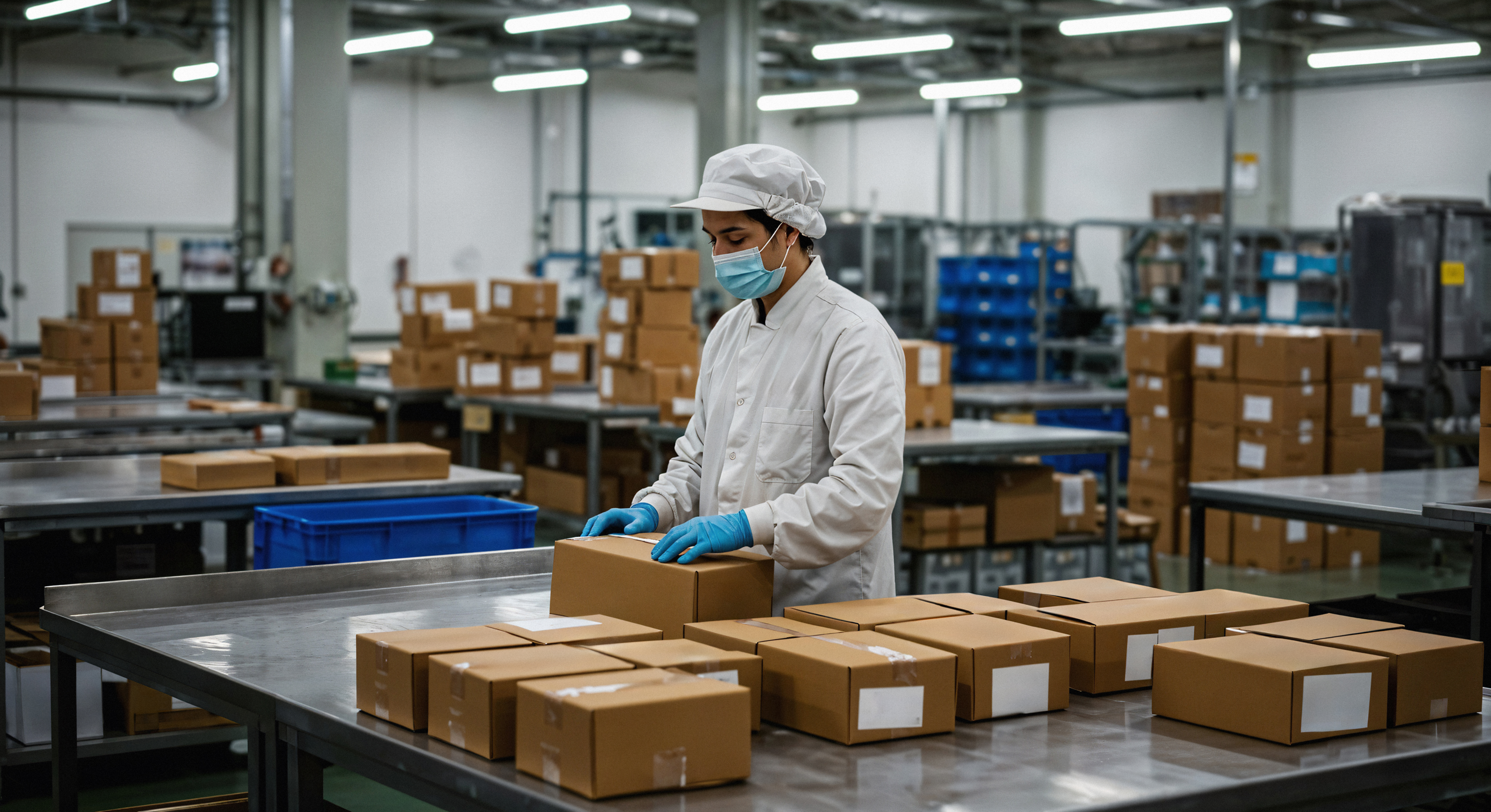
Packaging assistants prepare products for shipment by inspecting items, packing goods, applying labels, and ensuring quality standards are met.
These positions are common in food processing, pharmaceutical manufacturing, and consumer goods industries.
Machine Operator
Machine operators run manufacturing equipment used in production processes.
Responsibilities include:
- Setting up machinery
- Monitoring performance
- Troubleshooting minor issues
- Maintaining production quality
Workers with technical experience may find strong employment opportunities in this field.
Assembly Line Worker
Assembly line workers contribute to manufacturing operations by assembling products according to company specifications.
Industries commonly hiring assembly workers include:
- Automotive manufacturing
- Electronics production
- Home appliance manufacturing
Manufacturing Technician
Manufacturing technicians support production systems and equipment maintenance.
These roles often require:
- Technical training
- Mechanical knowledge
- Equipment troubleshooting skills
Because of their specialized nature, these jobs often offer higher salaries.
Food Processing Worker
Germany’s food industry frequently recruits workers for processing facilities.
Tasks may include:
- Sorting food products
- Packaging goods
- Monitoring production equipment
- Maintaining hygiene standards
Automotive Factory Worker
Germany’s automotive industry remains one of the largest employers in the country.
Workers may assist with:
- Vehicle assembly
- Component installation
- Inspection procedures
- Production support
Automotive manufacturing offers some of the highest-paying factory opportunities.
Quality Control Assistant
Quality control assistants inspect products throughout the manufacturing process.
Their duties include:
- Identifying defects
- Recording inspection results
- Supporting quality assurance teams
- Ensuring compliance with production standards
Forklift Operator
Forklift operators transport materials within factories and warehouses.
Many employers require:
- Forklift certification
- Safety training
- Previous equipment operation experience
Industrial Cleaner
Industrial cleaners help maintain workplace hygiene and safety.
Responsibilities often include:
- Cleaning production areas
- Sanitizing equipment
- Waste disposal management
- Compliance with safety standards
Textile Production Worker
Textile factories employ workers for fabric production, garment assembly, packaging, and quality inspections. Skilled Worker Visa Sponsorship Jobs in Austria 2026-2027
These roles often provide entry-level opportunities for foreign workers.
Top Companies and Employers Offering Factory Jobs in Germany with Visa Sponsorship
Germany is home to some of the world’s most recognized manufacturing companies. While visa sponsorship availability varies by employer and workforce demand, many large organizations recruit international talent.
Volkswagen
Volkswagen is among Germany’s largest automotive manufacturers and frequently hires production workers, technicians, logistics staff, and assembly line employees.
The company operates multiple production facilities throughout Germany.
BMW Group
BMW employs thousands of manufacturing workers in vehicle production, engineering support, logistics, and assembly operations.
Foreign workers with relevant experience may find opportunities within its manufacturing network.
Mercedes-Benz
Mercedes-Benz maintains major production facilities across Germany and regularly recruits skilled and semi-skilled workers for factory operations.
Positions often include:
- Production workers
- Machine operators
- Quality inspectors
- Maintenance technicians
Bosch
Bosch manufactures industrial equipment, automotive technology, and consumer products.
The company frequently recruits factory employees, warehouse workers, and technical specialists.
Siemens
Siemens operates in electronics, industrial automation, and manufacturing technologies.
Factory positions may include:
- Production operators
- Assembly workers
- Manufacturing technicians
- Logistics personnel
BASF
BASF is one of the world’s largest chemical manufacturers.
The company employs production workers, plant operators, quality control specialists, and industrial support staff.
Henkel
Henkel produces consumer goods, industrial products, and chemical solutions.
Manufacturing facilities regularly require packaging workers, machine operators, and warehouse staff.
Haribo
Known globally for confectionery products, Haribo employs factory workers involved in food production, packaging, and logistics operations.
DHL Supply Chain
Although primarily known for logistics, DHL employs warehouse workers, packaging staff, forklift operators, and distribution personnel across Germany.
Dr. Oetker
Dr. Oetker’s food manufacturing operations provide opportunities in production, packaging, quality control, and warehouse management.
Benefits of Factory Jobs in Germany with Visa Sponsorship for Foreigners
Competitive Salary Packages
German factory workers generally receive wages that support a comfortable standard of living. Additional compensation may include overtime pay, night-shift bonuses, and performance incentives.
Health Insurance Coverage
Employees are typically enrolled in Germany’s healthcare system, providing access to medical treatment, specialist services, and preventive care.
Paid Annual Leave
Most workers receive generous paid vacation allowances, helping maintain work-life balance.
Pension Contributions
Employers and employees contribute to retirement programs that support long-term financial security.
Overtime Opportunities
Many factories offer overtime work, allowing employees to increase their earnings.
Strong Labor Protection Laws
Germany enforces strict workplace regulations designed to protect workers’ rights and safety.
Career Growth Opportunities
Workers can advance into supervisory, technical, or management positions through experience and additional training.
Pathway to Long-Term Residency
Visa-sponsored employment can help workers qualify for extended residence permits and future settlement opportunities.
Family Reunification Possibilities
Depending on immigration status and eligibility requirements, workers may eventually bring family members to Germany.
Modern Work Environments
Many German factories utilize advanced technologies, modern safety standards, and efficient production systems.
Challenges of Factory Jobs in Germany with Visa Sponsorship for Foreigners
Language Barriers
Although some employers recruit English-speaking workers, many workplaces operate primarily in German. Learning basic German can significantly improve communication and career prospects.
Shift Work
Many factories operate around the clock, requiring employees to work rotating shifts, weekends, and night schedules.
Physically Demanding Tasks
Factory work often involves standing for extended periods, lifting materials, and performing repetitive activities.
Adjustment to Workplace Culture
Foreign workers may need time to adapt to German workplace expectations, communication styles, and professional standards.
Visa Processing Delays
Obtaining work authorization can take several weeks or months depending on application volume and individual circumstances.
Housing Availability
Finding affordable accommodation in some German cities can be challenging, especially in regions with high demand.
Weather Adaptation
Workers relocating from warmer climates may require time to adjust to Germany’s colder seasons.
Documentation Requirements
Visa applications often involve extensive paperwork and strict compliance with immigration regulations. Unskilled Jobs in the UK with Visa Sponsorship for Foreigners
Highest-Paying Regions for Factory Workers in Germany
1. Bavaria (Bayern)
Bavaria is home to major automotive and industrial manufacturers. Factory workers here often earn above-average wages due to strong economic activity and demand for skilled labor.
2. Baden-Württemberg
Known for advanced manufacturing and engineering industries, this region offers some of Germany’s highest industrial salaries.
3. Hamburg
Hamburg’s logistics, shipping, and manufacturing sectors create numerous employment opportunities with competitive compensation.
4. Hesse (Hessen)
Factories operating near Frankfurt benefit from a strong industrial and transportation network, contributing to attractive salary packages.
5. North Rhine-Westphalia
Germany’s most populous state contains numerous manufacturing facilities, warehouses, and industrial production centers offering steady employment opportunities.
Average Salary for Factory Workers in Germany
Factory worker salaries vary depending on location, experience, employer, and industry.
Entry-Level Factory Workers
Entry-level workers typically earn between €2,200 and €2,800 per month before taxes.
Mid-Level Factory Workers
Workers with several years of experience often earn between €2,800 and €3,500 monthly.
Experienced Factory Workers
Experienced operators, technicians, and specialized workers can earn between €3,500 and €4,500 or more per month.
Overtime Earnings
Many employees increase their annual income through overtime opportunities, night-shift premiums, and weekend allowances.
Industry Variations
Automotive manufacturing, pharmaceutical production, and advanced industrial sectors generally offer higher wages than basic packaging or assembly positions.
Application Requirements and Required Documents
Securing factory jobs in Germany with visa sponsorship for foreigners requires proper preparation and documentation. Employers and immigration authorities will carefully review your qualifications, identity, and eligibility before approving employment and work permits.
Below are the most commonly required documents.
Valid Passport
A valid international passport is one of the most important requirements. Your passport should have sufficient validity beyond your intended travel and employment period.
Updated CV or Resume
Your CV should clearly highlight:
- Work experience
- Educational background
- Technical skills
- Certifications
- Language abilities
- Professional references
Using a European-style CV format can improve your chances of success.
Employment References
Previous employers may be contacted to verify your work history, reliability, and professional conduct.
Educational Certificates
Some factory positions require proof of educational qualifications. These may include:
- Secondary school certificates
- Vocational training certificates
- Technical diplomas
- Professional qualifications
Work Experience Documents
Applicants should provide evidence of relevant work experience where applicable.
Examples include:
- Employment letters
- Appointment letters
- Pay slips
- Recommendation letters
Language Certificates (If Required)
While not always mandatory, proof of German language skills can strengthen your application.
Accepted language certifications may include:
- Goethe Certificate
- TELC German Certificate
- TestDaF
Signed Employment Contract
The sponsoring employer typically provides a signed employment contract detailing:
- Job title
- Salary
- Working hours
- Employment conditions
Visa Application Forms
Applicants must complete all relevant visa application forms accurately.
Passport Photographs
Recent biometric passport photographs are usually required for visa processing.
Health Insurance Documentation
Proof of valid health insurance coverage is often required before a work visa can be approved.
Eligibility to Apply for Factory Jobs in Germany with Visa Sponsorship for Foreigners
Not everyone automatically qualifies for visa-sponsored factory jobs. Applicants must meet certain eligibility standards.
Minimum Age Requirement
Most employers require applicants to be at least 18 years old.
Educational Background
Many entry-level factory jobs require only basic education, while technical positions may require specialized training.
Physical Fitness
Factory work can involve:
- Standing for long periods
- Repetitive tasks
- Lifting materials
- Operating machinery
Applicants should be physically capable of performing assigned duties.
Relevant Work Experience
While many entry-level positions offer training, previous experience can increase employability.
Language Ability
Some employers require basic German language skills, while others accept English-speaking workers.
Learning German significantly improves career prospects.
Clean Background Record
Applicants may need to demonstrate good character and comply with immigration requirements. Unskilled Jobs with Visa Sponsorship in Sweden 2026
Work Visa Eligibility
Applicants must satisfy Germany’s immigration requirements before a work visa can be issued.
Step-by-Step Guide: How to Apply for Factory Jobs in Germany with Visa Sponsorship for Foreigners
1: Research Available Opportunities
Begin by identifying companies and industries actively recruiting foreign workers.
Focus on:
- Manufacturing companies
- Automotive factories
- Food processing facilities
- Logistics companies
2: Prepare a Professional CV
Create a clear and professional resume tailored to factory positions.
Highlight:
- Work experience
- Certifications
- Technical skills
- Language abilities
3: Search Through Reliable Job Platforms
Use legitimate job portals and company career pages.
Avoid agencies that request excessive upfront payments.
4: Submit Applications
Apply to multiple positions that match your qualifications and experience.
Follow all employer instructions carefully.
5: Attend Interviews
Interviews may be conducted:
- Online
- By phone
- Through video conferencing
Be prepared to discuss your experience, availability, and relocation plans.
6: Receive a Job Offer
Successful applicants will receive an official employment offer.
Review:
- Salary
- Benefits
- Contract duration
- Sponsorship details
7: Obtain Sponsorship Documents
Your employer may provide documentation needed for visa applications.
8: Apply for a German Work Visa
Submit all required documents through the appropriate visa application process.
9: Prepare for Relocation
Arrange:
- Accommodation
- Travel plans
- Health insurance
- Financial preparation
10: Begin Employment
Upon arrival and approval of work authorization, you can begin your employment and integrate into Germany’s workforce.
Tips to Improve Your Chances of Getting Factory Jobs in Germany with Visa Sponsorship
Learn Basic German
Even basic communication skills can significantly improve your employability.
Focus on:
- Workplace vocabulary
- Safety instructions
- Everyday communication
Tailor Every Application
Avoid sending the same resume to every employer.
Customize your application to match each job description.
Gain Relevant Certifications
Helpful certifications may include:
- Forklift operation
- Safety training
- Machinery operation
- Industrial maintenance
Apply Early
Many employers recruit months before positions begin.
Applying early increases your chances of securing sponsorship opportunities.
Focus on Labor Shortage Sectors
Target industries experiencing recruitment difficulties.
These sectors are more likely to sponsor foreign workers.
Maintain a Professional Online Presence
Employers increasingly review applicants online.
Ensure professional consistency across your profiles.
Prepare for Interviews Thoroughly
Research the company and practice common interview questions.
Apply Consistently
Successful applicants often submit multiple applications before receiving offers.
Persistence matters.
Application Deadlines
Unlike university admissions, factory jobs in Germany generally do not follow one universal application deadline.
Many employers recruit throughout the year based on workforce needs.
However, certain hiring periods are especially active:
January to March
Companies often begin annual recruitment plans during the first quarter.
April to June
Manufacturers increase hiring to meet production demands.
July to September
Some industries recruit temporary and seasonal workers.
October to December
Companies prepare staffing requirements for the following year.
Because vacancies open and close frequently, applicants should monitor employer websites regularly. Visa Sponsorship Jobs in Spain for Foreigners 2026
Common Mistakes to Avoid When Applying for Factory Jobs in Germany with Visa Sponsorship
Submitting Incomplete Applications
Missing documents can lead to immediate rejection.
Always verify application requirements before submission.
Using Generic Resumes
A generic CV often performs poorly compared to a tailored application.
Ignoring Language Requirements
Even when German is not mandatory, language skills provide a significant advantage.
Applying Through Unverified Agencies
Fraudulent recruitment schemes target foreign job seekers.
Verify employers and recruitment agencies before sharing personal information.
Providing Inaccurate Information
False qualifications or work experience claims can lead to rejection and future immigration complications.
Missing Visa Requirements
Understanding immigration requirements before applying can prevent delays.
Failing to Research Employers
Researching companies helps applicants prepare stronger applications and interviews.
Applying for Jobs Beyond Your Qualifications
Focus on positions that match your skills and experience.
German Work Visa Process for Factory Workers (Step-by-Step)
Germany offers various work authorization pathways depending on the job and applicant circumstances.
1: Secure a Job Offer
A confirmed employment offer is typically required before beginning the visa process.
2: Sign an Employment Contract
The contract should clearly state:
- Salary
- Position
- Working conditions
- Employer information
3: Gather Required Documents
Prepare all required supporting documents before submitting your application.
4: Submit Visa Application
Applications are generally submitted through the relevant German diplomatic mission responsible for your location.
5: Attend a Visa Appointment
Applicants may need to:
- Provide fingerprints
- Submit biometric data
- Verify documentation
6: Wait for Processing
Processing times vary depending on individual circumstances and application volume.
7: Receive Visa Approval
Approved applicants receive authorization to travel and work under the approved conditions.
8: Travel to Germany
Make arrangements for relocation and employment commencement.
9: Complete Local Registration
New arrivals may need to complete local registration requirements after arriving in Germany.
10: Begin Employment
You may start working according to the terms of your approved employment authorization. Unskilled Jobs in New Zealand With Visa Sponsorship
Best Websites to Find Factory Jobs in Germany with Visa Sponsorship for Foreigners
1. Make it in Germany
Official government-supported platform that provides information about working and living in Germany.
Official Website:
https://www.make-it-in-germany.com
2. Federal Employment Agency (Bundesagentur für Arbeit)
Germany’s official employment service offering thousands of job opportunities.
Official Website:
https://www.arbeitsagentur.de
3. EURES
European employment network connecting employers with international workers.
Official Website:
https://eures.europa.eu
4. StepStone Germany
One of Germany’s largest job platforms.
Official Website:
https://www.stepstone.de
5. Indeed Germany
Popular job search platform featuring factory and manufacturing vacancies.
Official Website:
https://de.indeed.com
6. Jobware
Offers vacancies across manufacturing, logistics, and industrial sectors.
Official Website:
https://www.jobware.de
7. Monster Germany
Provides factory, warehouse, and production job listings.
Official Website:
https://www.monster.de
8. LinkedIn Jobs
Professional networking platform with international recruitment opportunities.
Official Website:
https://www.linkedin.com/jobs
When searching, use keywords such as:
- Factory worker visa sponsorship Germany
- Production worker Germany
- Manufacturing jobs Germany for foreigners
- Warehouse jobs Germany visa sponsorship
- Assembly line jobs Germany
Frequently Asked Questions (FAQs) About Factory Jobs in Germany with Visa Sponsorship for Foreigners
Can foreigners get factory jobs in Germany?
Yes. Many German employers hire foreign workers to address labor shortages across manufacturing, logistics, and production industries.
Do factory jobs require German language skills?
Not always. Some employers hire English-speaking workers. However, learning German can significantly improve employment opportunities and workplace integration.
How much do factory workers earn in Germany?
Salaries vary depending on industry, location, and experience. Many workers earn competitive wages compared to international standards.
Can family members join visa-sponsored workers?
Depending on immigration status and eligibility requirements, family reunification opportunities may be available.
How long does visa processing take?
Processing timelines vary based on application complexity, workload, and documentation accuracy.
Do employers provide accommodation?
Some employers offer accommodation assistance or housing support, but this varies by company.
Are factory jobs permanent?
Many positions are permanent, while others may be contract-based or seasonal.
Can factory jobs lead to long-term residency?
Long-term legal employment may support future residence opportunities, subject to immigration regulations. Factory Jobs in Sweden with Visa Sponsorship 2026
Conclusion: Building a Successful Career Through Factory Jobs in Germany with Visa Sponsorship for Foreigners
Factory jobs in Germany with visa sponsorship for foreigners continue to present valuable opportunities for international workers seeking stable employment, competitive earnings, and long-term career development. Germany’s strong manufacturing sector, ongoing labor shortages, and commitment to economic growth create a favorable environment for foreign workers willing to contribute their skills and dedication.
From automotive manufacturing and food production to logistics and industrial operations, a wide range of factory positions are available across the country. While the application process requires careful preparation, proper documentation, and persistence, the rewards can be substantial. Employees benefit from strong labor protections, healthcare coverage, pension contributions, career advancement opportunities, and access to one of Europe’s most advanced economies.
Prospective applicants should focus on legitimate recruitment channels, strengthen their qualifications, improve language skills where possible, and remain informed about immigration requirements. With proper planning and determination, factory employment can serve as a gateway to professional growth and a successful future in Germany.


 Admin
Admin